Also asked, how is Enterobacter transmitted?
Transmission and Disease Enterobacter cloacae can be acquired through the skin, urinary tract, or gastrointestinal tract. Nosocomial infection, meaning the contraction of the germ from being hospitalized, is the most prevalent mode of transmission for this organism.
Furthermore, how is Enterobacter cloacae treated? The antimicrobials most commonly indicated in Enterobacter infections include carbapenems, fourth-generation cephalosporins, aminoglycosides, fluoroquinolones, and TMP-SMZ. Carbapenems continue to have the best activity against E cloacae, E aerogenes, and other Enterobacter species. They are not affected by ESBLs.
Thereof, what is Enterobacter cloacae infection?
Enterobacter cloacae are nosocomial pathogens that can cause a range of infections such as bacteremia, lower respiratory tract infection, skin and soft tissue infections, urinary tract infections, endocarditis, intra-abdominal infections, septic arthritis, osteomyelitis, and ophthalmic infections (4).
What are the symptoms of Enterobacter cloacae?
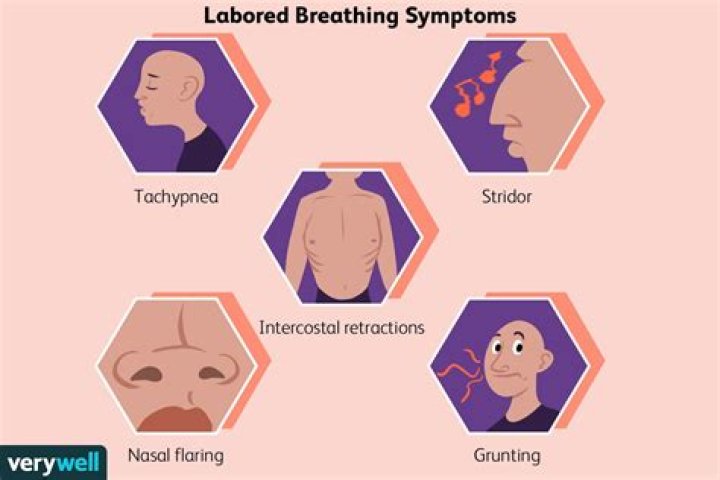
Fever, cough, production of purulent sputum, tachypnea, and tachycardia are usually present. As with infections caused by organisms such as Streptococcus pneumoniae, many Enterobacter infections in elderly debilitated patients do not cause a systemic inflammatory reaction.
Where is Enterobacter cloacae normally found?
Enterobacter. All Enterobacter species are found in water, sewage, soil, and vegetables. Enterobacter cloacae is the most frequently isolated Enterobacter species from humans and animals. Its role as an enteric pathogen has not been demonstrated.Can you die from Enterobacter cloacae?
Enterobacter cloacae bacteria can cause death rapidly if not treated quickly. Previously, medical examiners determined that the other two deaths over the weekend had been caused by an infection of Enterobacter cloacae, a strain of bacteria found in the human digestive system and in human excrement.Is Enterobacter cloacae the same as E coli?
All Enterobacter species are found in water, sewage, soil, and vegetables. Enterobacter cloacae is the most frequently isolated Enterobacter species from humans and animals. Its role as an enteric pathogen has not been demonstrated. Enterobacter cloacae is less susceptible to chlorination than Escherichia coli.What causes Enterobacter cloacae infection?
cloacae infections have been linked to contaminated admixed intravenous fluids, total parenteral nutrition solutions, enteral feedings, infant formula, cardioplegic solution, and blood products [2-4].Where does Enterobacter cloacae complex come from?
Enterobacter cloacae is ubiquitous in terrestrial and aquatic environments (water, sewage, soil, and food). The species occurs as commensal microflora in the intestinal tracts of humans and animals and is also pathogens in plants and insects.What does Enterobacter mean?
Enterobacter are gram-negative bacteria that are classified as facultative anaerobes, which means that they are able to thrive in both aerobic and anaerobic environments. Enterobacter is named for the organisms' predominant natural habitat, the intestines of animals (from Greek enteron, meaning “intestine”).Where can Enterobacter spp be found?
RESERVOIR: Enterobacter spp. are commonly found in soil and water; E. cloacae and E. aerogenes can inhabit the intestines of humans and animals and can also be found in sewage(1).Is Enterobacteriaceae contagious?
A member of the Enterobacteriaceae family, these bacteria spread through contaminated food or water or through person-to-person contact.What are the signs and symptoms of cre?
What are symptoms and signs of CRE infections?- isolating organisms with resistance to antibiotics, including carbapenem,
- cyanosis (skin turning bluish-gray),
- severe pneumonia,
- severe urinary tract infection,
- high fever,
- life-threatening infection (sepsis),
- hypotension (low blood pressure), and.